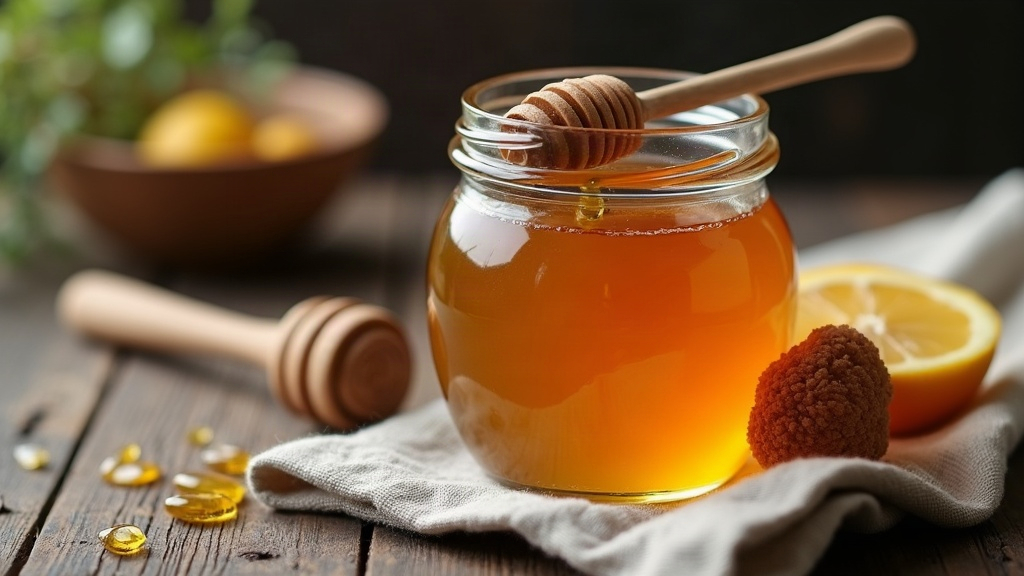
Long before wellness trends, some mornings in Japan began the same simple way — a spoonful of raw honey, a few quiet minutes, and no rush. Here’s the routine behind it, explained in one short video.
Before looking at any routine, it helps to understand what’s actually shifting day to day.
Many people notice their focus doesn't switch on the way it used to before that first cup of coffee — some have started adding a spoonful of raw honey to their morning instead, echoing a habit long practiced in parts of Japan.
That familiar dip after lunch can feel heavier than it used to, making even simple tasks feel like more effort.
Sleep that used to feel restorative can start feeling lighter, which often shows up the next day as sluggish thinking.
Misplaced keys, forgotten names, losing a train of thought — none of it alarming alone, but noticeable over time.
A lot of what circulates about memory after 50 doesn’t hold up well under a closer look.
Memory decline after 50 is inevitable and out of your hands.
Daily habits, sleep quality, and routine play a meaningful role in how sharp people feel from one day to the next.
Simple ingredients like honey are just old folklore with no place in a modern routine.
Many everyday wellness habits around the world, including in parts of Japan, still incorporate simple ingredients like honey alongside modern life.
If you can’t recall a name instantly, something is seriously wrong.
Occasional forgetfulness is common at any age and isn’t automatically a sign of a bigger issue.
This isn’t a complicated protocol — it’s three small habits stacked in the right order.
Before checking a phone or starting the coffee maker, some people take a few minutes with a warm drink and a spoonful of raw honey — a quiet pause before the day speeds up.
A minute of slow breathing or simply sitting still, without scrolling or planning, gives the mind a moment to settle before demands start piling on.
Consistency, not intensity, is what turns this into a habit — the same small sequence, most mornings, without pressure to get it perfect.
In certain regions of Japan, mornings have long started with a warm drink and a spoonful of raw honey, tied to seasonal rhythms rather than any modern wellness trend. It wasn’t framed as treatment or therapy — it was simply how the day began, passed down as routine rather than remedy. As modern schedules sped up, some people rediscovered this slower start as a way to reclaim a few minutes for themselves before the day takes over.
The real insight isn’t the honey itself — it’s the handful of unhurried minutes people give themselves before checking a phone or a calendar.
A noticeable change in orientation or awareness that comes on quickly, rather than gradually.
Feeling disoriented somewhere routine, like a regular neighborhood or store.
Losing the thread of a discussion more often, even in familiar settings.
Losing track of everyday objects in ways that feel new or more frequent than before.
Noticeable changes in mood or personality that accompany forgetfulness.
Struggling with routines that used to feel automatic, like a regular recipe or route.
These reflections are individual experiences shared by fictional composite profiles for illustrative purposes. Results and experiences vary from person to person, and none of these statements should be viewed as a guarantee of any outcome.
No. This is an educational look at a traditional morning routine, not a treatment, therapy, or medical protocol of any kind.
It walks through the background of a Japanese morning habit involving raw honey and a short mindful pause, and how some people have adapted it into their own routine.
The video explains the simple approach discussed; any decisions about products or ingredients are entirely up to you.
It’s framed around common questions people 50 and older tend to ask about their mornings, but the habit itself isn’t age-restricted.
It’s short — designed to be watched in one sitting, typically during a coffee break or quiet moment.
Yes. Always consult a qualified healthcare professional before making changes relevant to your health, diet, or daily habits.
This content is educational and cultural in nature. It does not present clinical research or medical claims, and nothing here should replace professional medical advice.
Watch the short video to learn where this habit came from, how it’s practiced, and why some people over 50 have chosen to make it part of their mornings.
Advertising Disclosure: This page contains sponsored content and affiliate links. We may receive compensation if you click a link or make a purchase through links on this page. This does not affect the price you pay and helps support the content we produce.
Content Disclaimer: This content is provided for educational and informational purposes only. It has not been evaluated by the Food and Drug Administration. Nothing on this page is intended to diagnose, treat, cure, or prevent any disease or medical condition. Always consult a qualified healthcare professional before making changes to your health, diet, or daily routine.
Results Disclaimer: Individual results and experiences vary. Testimonials and personal accounts reflect individual opinions and are not a guarantee of similar outcomes for any other person.
© 2026 · All Rights Reserved · Questions? Visit our /contact/ page.